Most people give their sofas a quick plump and call it clean. It looks fine. It smells fine. So why bother? Here’s the thing: upholstery is one of the most used surfaces in your home, and also one of the most overlooked when it comes to proper cleaning. The stuff that builds up in those fibres, quietly, over months and years, is genuinely worth knowing about.
Understanding why upholstery cleaning is important isn’t just about keeping things looking nice. It touches on your health, the air you breathe indoors, and whether your favourite armchair lasts five years or fifteen. The sections below break all of that down in plain terms.
TL;DR
Upholstery cleaning improves indoor air quality and reduces allergens like dust mites and pet dander.
Regular cleaning extends furniture lifespan by preventing fibre damage and built-up grime.
Neglected upholstery can harbour mould, odours, and bacteria that affect your health.
Professional cleaning reaches deep into fabrics in ways DIY methods simply can’t match.
Eco-friendly cleaning solutions are gentler on fabrics and better for your household environment.
DIY cleaning works for maintenance, but professional deep cleans are worth it for thorough results.
Why is Upholstery Cleaning Important?
Upholstery cleaning is important because armchairs, sofas, and fabric furniture act like giant filters, trapping dust, allergens, bacteria, and moisture over time. Without regular cleaning, these build up and affect your health, the air quality in your home, and the lifespan of the furniture itself. It’s not just about appearances.
People tend to vacuum floors, wipe down surfaces, and scrub bathrooms. But the sofa? It gets sat on daily, eaten on occasionally, leaned against, slept on, and used as a landing pad for coats and bags. It collects everything. Then it just sits there, looking more or less fine, while all of that accumulates deep in the fabric.
Here’s what’s actually at stake when upholstery gets neglected:
Health protection: Clean upholstery reduces dust mites, allergens, and mould spores that can trigger allergies and respiratory issues.
Better air quality: Every time you sit down, fabric releases particles into the air. Clean fabric releases far fewer.
Longer furniture life: Dirt and grit work like sandpaper against fibres over time. Regular cleaning slows that wear considerably.
Odour control: Pet smells, food, sweat, and general mustiness build up in fabric. Cleaning removes the source, not just the surface.
Appearance: Fabric colours stay brighter and textures stay softer when they’re maintained properly rather than left to dull and flatten.
Stain prevention: Treating fabric regularly makes it more resistant to new stains taking hold quickly.
The hidden danger is that none of this is visible until it’s already well established. By the time your sofa looks grubby or smells off, a lot has already happened underneath the surface. Regular cleaning stops problems before they reach that point.
What Does Dirty Upholstery Actually Do to Your Health?
Dirty upholstery directly affects your health by acting as a reservoir for dust mites, pet dander, mould spores, and bacteria. These particles become airborne whenever the furniture is used, and breathing them in regularly can trigger allergies, worsen asthma, and irritate the respiratory system, especially in children and older adults.
Dust mites are the big one. They’re microscopic, they thrive in warm fabric environments, and they feed on dead skin cells. Every sofa has them. The issue isn’t the mites themselves but their droppings, which are one of the most common household allergens. Sneezing, itchy eyes, a persistent runny nose, and worsening asthma symptoms can all trace back to mite levels in furniture.
For households with pets, the problem builds further. Pet dander, those tiny flecks of skin and dried saliva, settles deep into upholstery fibres and stays there. Regular vacuuming picks up some of it, but not all. Over time, it builds up layer by layer.
Mould is another concern, particularly in UK homes where humidity tends to be higher. If moisture gets into upholstery and doesn’t dry properly, mould spores can take hold inside the cushion layers, completely out of sight. You might not notice until there’s a faint musty smell. By that point, the mould is already well established.
If anyone in your home has worsening allergy symptoms indoors, dirty upholstery is worth investigating as a possible cause before assuming it
Good indoor air quality starts with clean surfaces. Upholstery covers a huge surface area in most living rooms, so keeping it clean makes a real, measurable difference.
Extending the Life of Your Furniture
Furniture isn’t cheap. A decent sofa in the UK can run anywhere from a few hundred to several thousand pounds. Cleaning it regularly is one of the simplest ways to protect that investment.
How Dirt Damages Fabric Over Time
Dust and fine grit particles don’t just sit on the surface. They work their way into fabric weaves and act as an abrasive every time someone sits down or shifts position. Over months and years, this breaks down fibres at a structural level. The fabric thins, pills, and loses its texture. This process is gradual, so it’s easy to miss until the damage is already done.
Stain Prevention and Spot Treatment
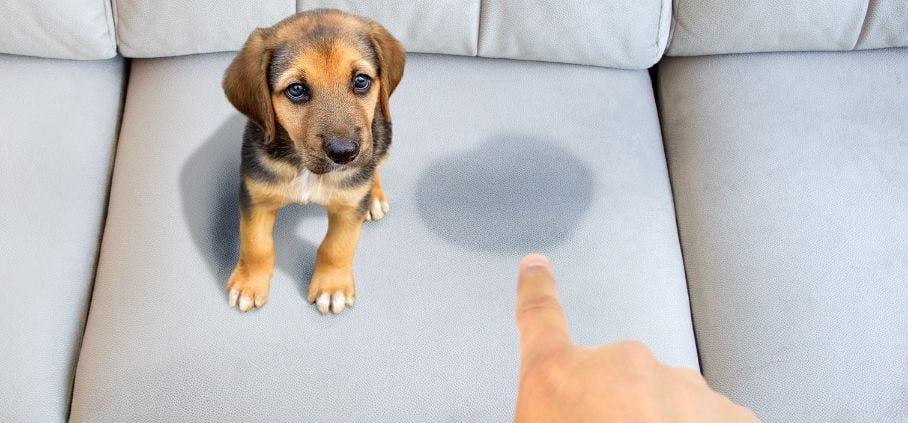
Fresh spills are far easier to deal with than dried, set stains. The longer a stain sits, the deeper it bonds with the fabric. Getting into the habit of addressing spills quickly, and cleaning the whole piece regularly, means stains don’t get the chance to become permanent.
Protein-based stains from food and drink, oil-based marks, and tannin stains from tea and coffee all behave differently. Knowing your fabric type matters here. Some materials respond well to water-based cleaning. Others need solvent-based approaches. Always check the manufacturer’s label before applying anything.
How Often Should You Clean Upholstery?
As a general guide:
Vacuum cushions and fabric surfaces weekly to remove surface dust and debris.
Spot clean spills immediately, before they dry.
Do a thorough DIY clean every three to six months.
Book a professional deep clean once a year, or every six months if you have pets or children.
Furniture that gets this kind of consistent attention simply lasts longer. It holds its shape better, keeps its colour, and doesn’t reach that point of no return where no amount of cleaning will bring it back.
Both approaches have their place. DIY cleaning is fine for regular maintenance and minor issues. Professional cleaning goes deeper, uses specialist equipment, and handles things that a domestic vacuum or off-the-shelf spray simply can’t.
Factor
DIY Cleaning
Professional Cleaning
Cost
Low upfront cost
Higher cost, but better results per clean
Depth of clean
Surface level to moderate
Deep into fibres and padding
Equipment
Domestic vacuum and cleaning sprays
Hot water extraction, specialist tools
Time required
Moderate effort, ongoing
Minimal effort from you
Allergen removal
Partial
Thorough, including deep-seated mites
Risk to fabric
Higher if wrong products used
Lower, with fabric-appropriate methods
Frequency needed
Weekly to monthly
Once or twice a year
DIY has real value. Weekly vacuuming, immediate stain treatment, and a proper clean with appropriate products every few months keeps things in good shape between professional visits. The risk with DIY is using the wrong products. Too much moisture on certain fabrics causes shrinkage or water marks. Harsh chemicals can strip colour or break down fibres faster than regular use would.
When you’re dealing with deep-set odours, allergy symptoms that aren’t improving, heavily soiled furniture, or delicate fabrics that need careful handling, it’s worth calling in specialists. An upholstery cleaning service handles the full clean from start to finish, using hot water extraction and industry-grade solutions to lift grime that goes far beyond what a domestic clean can reach.
Traditional upholstery cleaners often contain strong chemical solvents. They work, but they come with trade-offs: chemical residue left in fabric, potential irritation for sensitive skin, and a less-than-ideal impact on the environment when they’re rinsed away.
Eco-friendly alternatives have come a long way. They’re no longer the weaker option. Many plant-based and low-chemical formulas clean effectively without the downsides.
Reduced chemical exposure: Plant-derived formulas are less likely to irritate skin or airways, especially for households with young children or people with sensitivities.
Gentler on fabrics: Harsh chemicals can degrade fabric fibres over repeated use. Gentler solutions clean without that cumulative damage.
Lower environmental impact: Biodegradable formulas break down without leaving harmful residues in wastewater.
No strong residual smell: Many eco-friendly options are fragrance-free or lightly scented, which matters when you’re cleaning something you sit on every day.
Safer for pets: Animals often spend time on furniture and groom themselves. Residue from strong chemical cleaners is something they can ingest. Gentler products reduce that risk.
For general maintenance, a solution of warm water with a small amount of washing-up liquid, applied carefully with a cloth rather than soaked in, handles a lot of everyday surface cleaning. White vinegar diluted in water is useful for odour control. Bicarbonate of soda left on fabric for twenty minutes before vacuuming pulls moisture and smells from cushions without any chemical involvement at all.
Always test any cleaning solution on a hidden area of the fabric first. Even gentle, eco-friendly options can react differently depending on the material
The point isn’t to make cleaning more complicated. It’s to choose methods that do the job without creating new problems in the process.
Time for a sofa refresh?
Book an upholstery cleaning with Fantastic Services today.
Conclusion
Upholstery cleaning is one of those tasks that’s easy to put off because the consequences are invisible until they’re not. By the time you can see or smell the problem, it’s already been building for a while. Regular cleaning, even just consistent vacuuming and the occasional deeper clean, genuinely protects your health, your furniture, and the quality of air in your home.
Build it into your routine and it stops feeling like a chore. Your sofa will last longer, your home will feel fresher, and you won’t be sitting on a year’s worth of dust mites without knowing it.