
Cleaning the oven is one of those things people plan to deal with ‘soon,’ and then conveniently forget about it. If only there were a way the appliance would clean itself, right?
If you are reading this, you are one of those people who bought a self-clean oven in hopes that it will do just that. While it may not spring up tiny robotic hands to clean itself, as you would see in sci-fi movies, it can burn all the spills and splatters to a crisp. There is a reason why these are also called pyrolytic ovens.
But how do these ovens work and more importantly, are they dangerous?
Let’s find out.
People usually look up ‘pyrolytic oven meaning’ when they think they have missed out on some secret cooking feature. Little do they know, it’s actually the self-cleaning method labelled with a self-explanatory name.
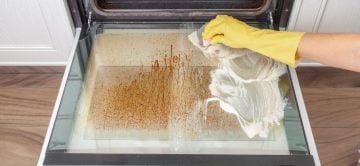
So, in a nutshell, what is pyrolytic oven? It’s a self-cleaning unit designed to run a very hot cleaning cycle. Pyrolysis is the magic behind it all. The appliance gets so hot that all that baked-on grease and food crud dries out and turns into this fine ash. Once the cycle is done and the oven cools off, you just do a quick wipe and that’s it. Minimal effort, maximum satisfaction.
Most models include:
The cleaning you get is way better because it beats hand scrubbing and relying on chemicals. However, the oven does get extremely hot and the whole process takes longer than most people expect.
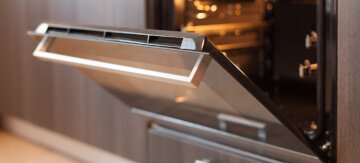
People often ask if pyrolytic ovens are even dangerous because, come on, the idea of running these appliances at extreme temperatures can feel alarming. The appliance is generally safe thanks to its locking doors and the cooling system quietly doing its job in the background.
The real problems usually come from misuse. This includes forcing the door when it’s locked, forgetting to ventilate the room, leaving flammable substances too close, or running the cycle in a kitchen that just doesn’t have enough airflow.
You can manually clean a pyrolytic oven, too, if you wish. The key is to keep it gentle: soft cloths, warm water, and non-abrasive methods that won’t damage seals or interior coatings. You can also call professional oven cleaning services too, if you don’t have the time. The point is that pyrolytic oven cleaning is a feature, not the only way to clean your appliance. You can either use it or not, but since you do have it, why not give it a try?
The process of pyrolytic oven cleaning starts with preparation. Think of it as setting the scene so you end up with fewer bad smells, less smoke, and better results.
Before you begin, always do the following:
Avoid using chemical sprays right before the cleaning run. They can create unpleasant fumes at high heat, and they’re unnecessary anyway.
This is the part that divides people. The self-clean phase either feels like a small miracle or like something you would rather not repeat. Understanding the mechanics helps, even if you never cared about the technical details.
So, how does a self-cleaning oven work in pyrolytic mode? It make the interior far hotter than normal cooking — enough to carbonise the leftover buildup until it turns to ash.
That’s pyrolytic cleaning in essence, with heat doing the work and you finishing off what remains once everything cools.
To initiate the process and monitor it safely:
Choosing your moment helps. Run the cycle when you can be nearby, so you can adjust the ventilation if needed. If the smell is really bad, open another window and let the fan do its work.
Avoid running other heat-heavy appliances at the same time. It sounds fussy, but it is going to make the cycle go smoother.
If you’re wondering how long pyrolytic cleaning takes, the cycle itself can run from about 90 minutes to three hours, and the cooling time adds more.
Common mistakes people usually make are:
Beyond that, how often should you use the feature? The simple answer is that it depends on how much you cook. Heavy roasting and baking might justify a cycle every few months. Light users might only need it once or twice a year.

By now, your appliance should be ready for the final step. Here’s what to do after the pyro clean oven cycle is done to guarantee the best results:
If you removed the racks and trays, clean them separately once they’re cool. Warm, soapy water is usually enough.
Between deep cleans, a bit of attention is going to keep the appliance fresh and stop the next cycle from feeling like a hassle. Always follow these oven cleaning tips:
If you do a quick wipe between cleaning runs, avoid anything abrasive. A gentle cloth and warm water are enough for most marks, and they are going to keep the seals in good condition.
If a spill is sugary or sticky, deal with it sooner rather than later, because those remains can harden and become stubborn. Trust us, you wouldn’t want to end up scraping through old spills like you are excavating last winter’s lasagne.
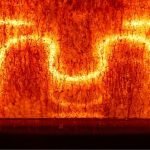
There are times when the pyrolytic oven cleaning cycle finishes and your intuition warns you that something is off. Often it’s not serious but just a sign the unit was dirtier than you thought or the ventilation was not ideal.
If you run into problems, start here:
Our professional oven cleaning service can take it from here.




The only home improvement newsletter you will ever need!
We will never spam you. Pinky promise!
For more information, check out our privacy policy.